
Yes. In my clinical experience, acupuncture is generally safe when performed by a licensed practitioner. Today, many medical clinics use it as part of integrative care. The needles used are very thin and sterile.
Adults use acupuncture for different problems like mental health concerns, pain, difficulty sleeping and so on. Serious side effects are rare when proper safety standards are followed.
What Is Acupuncture?
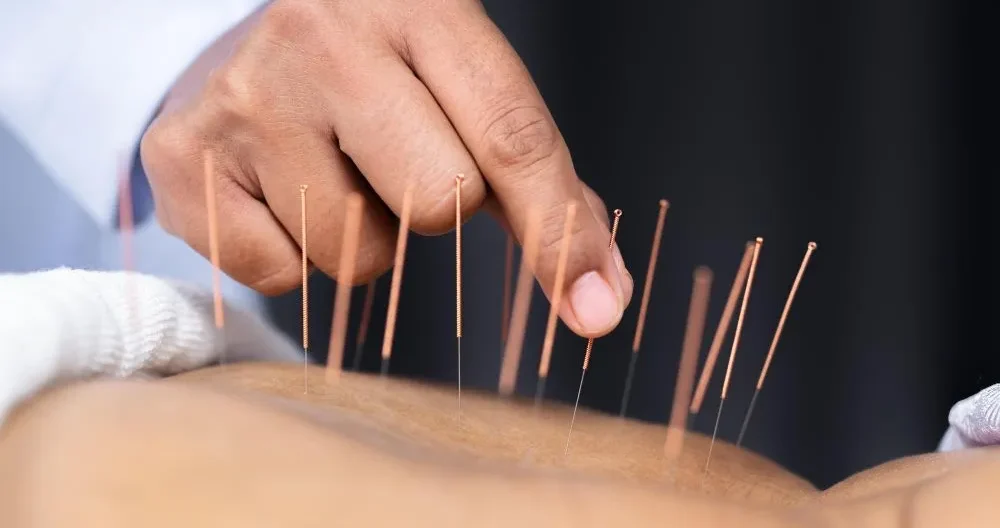
Acupuncture is a medical technique where the practitioner will place very thin and sterile needles into specific points on the body. These points help stimulate the body’s natural healing response.
These points connect with the body’s nervous system. When they are stimulated the body can release natural chemicals that help reduce pain and support healing.
Research shows that acupuncture can activate nerves, muscles and connective tissue. This stimulation may improve blood flow and trigger the body’s natural pain relieving processes.
The needles are much thinner than the needles used for injections. Most patients feel little or no pain and feel relaxed during the session.

Benefits of Acupuncture
I often use acupuncture to support several health concerns. Research and patient outcomes show that it may help improve many common conditions.
Some potential benefits include:
- Relief from chronic pain, including back pain, neck pain, and joint pain
- Fewer headaches and migraines
- Better stress management
- Improved sleep quality
- Support for digestive function
- Reduced symptoms of anxiety
- Support for fertility and reproductive health
Chronic pain is one of the reasons people seek acupuncture. Clinical studies have found it is helpful for conditions such as pain, osteoarthritis, and tension headaches.
I usually combine acupuncture with other functional medicine strategies. These may include
- Nutrition guidance
- Stress management
- Lifestyle adjustments
This combined approach helps address both symptoms and the deeper causes of imbalance.
What Makes Acupuncture Safe?
Several factors help make it safe.
Licensed and trained practitioner
Acupuncture should only be performed by a properly trained clinician. Training ensures the practitioner understands anatomy, needle placement and sterile technique.
Single use sterile needles
I only use single use needles. Each needle is opened during the session and discarded after one use. This prevents infection and follows modern medical safety guidelines.
Clean clinical environment
All treatments take place in a controlled clinical setting. Proper hygiene and sterile handling are essential parts of safe care.
Careful medical history review
Before treatment I review each patient’s health history. I look at medications, chronic conditions and current symptoms. This helps me decide if acupuncture is appropriate.
Individualized treatment planning
No two patients are the same. Needle placement and treatment strategy are adjusted based on the patient’s symptoms, medical history and overall health goals.
Treatment Process: What to Expect
Many patients feel nervous before their first acupuncture session because they do not know what to expect. In reality, the process is usually calm and comfortable.
1. Initial Consultation
Every treatment begins with a conversation. I take time to understand the patient’s health history and current symptoms.
During this visit we discuss:
- Current health concerns
- Past medical conditions
- Lifestyle habits such as sleep, diet, and stress
- Treatment goals
This first evaluation helps me decide if acupuncture is the right option. If you want a detailed overview, you can read more about
What Happens During Your First Acupuncture Session.
1. The Treatment Session
During the session, I will place very thin needles into specific acupuncture points on the body.
Most patients feel little discomfort. Some feel a mild tingling sensation or warmth around the needle site. Many patients feel relaxed during treatment.
2. Session Length
A typical acupuncture session lasts about 20 to 40 minutes. Patients usually lie comfortably while the needles remain in place.
Many people use this time to relax. Some even fall asleep during treatment.
3. Follow-Up Care
Acupuncture often works best as a series of treatments. After the session, I evaluate how the patient responded.
The treatment plan may be adjusted based on:
- Symptom changes
- Pain levels
- Sleep quality
- Energy levels
Patients often ask how many treatments they will need. The answer depends on the condition being treated. To learn more about this, you can explore How Many Acupuncture Sessions Do You Need?
Why Root Cause Matters
I try to understand why the symptom is happening in the first place. This is where root cause care becomes important.
Pain, fatigue, or poor sleep often come from deeper imbalances. If we only treat the symptom the problem may return again.
For example:
- Chronic pain may be linked to inflammation
- Stress can disturb sleep and digestion
- Hormone imbalance may lead to fatigue or mood changes
I review lifestyle habits, nutrition, stress levels, and metabolic health. These factors often influence how the body heals.
When to See a Doctor for Acupuncture
Some symptoms continue even after standard treatments. When this happens, acupuncture may be worth considering.
In my clinic, patients often seek acupuncture for:
- Chronic back or neck pain
- Migraines or frequent headaches
- Stress and anxiety
- Digestive discomfort
- Sleep problems
- Hormone-related symptoms
- Ongoing fatigue
- Thyroid Discomfort
Acupuncture can work alongside conventional medical care. It does not replace necessary medical treatment.
If you are struggling with persistent symptoms, start your acupuncture treatment Plan. During a consultation, I review your health history and determine whether acupuncture may help your condition.
FAQs
1. Is acupuncture safe?
Yes. When a trained professional performs acupuncture it is considered very safe.
2. Does it hurt?
The needles used in acupuncture are extremely thin. Some patients feel a mild tingling and some relax.
3. How many sessions are needed?
The number of sessions depends on the condition being treated. Some patients notice improvement after two or three visits.
4. What is the cost of treatment?
The cost can vary depending on the clinic, the length of the visit and the number of sessions required.
5. Who should avoid acupuncture?
Acupuncture is safe for most people. However, patients with bleeding disorders, those taking blood-thinning medications, or individuals with certain medical conditions should speak with a physician first.
6. What results can patients expect?
Many patients report gradual improvements after treatment. In my experience, common results include:
- Reduced pain
- Better sleep
- Lower stress levels
- Improved energy
Better overall well-being